
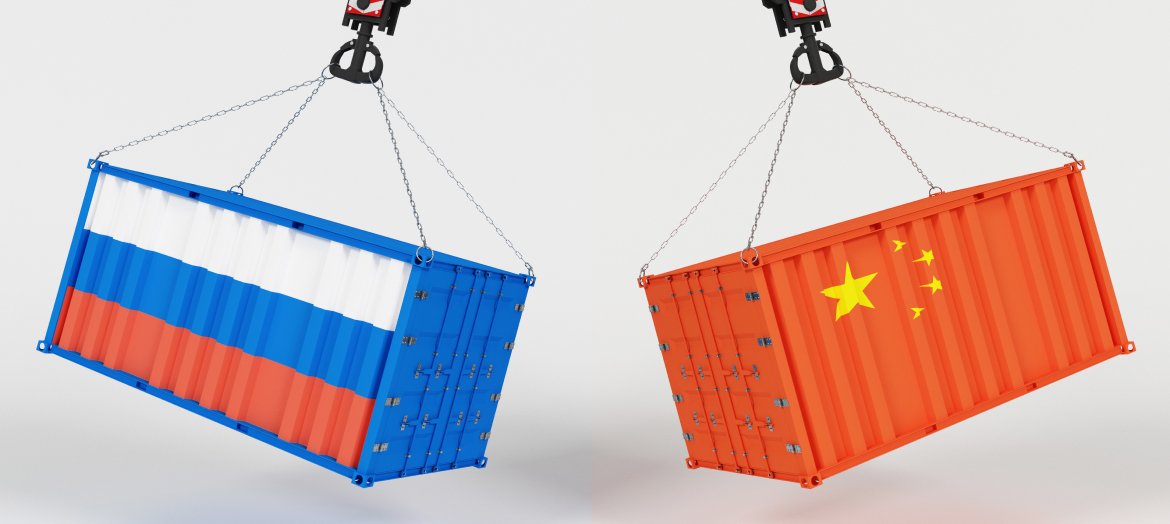

Current economic realities are prompting participants in foreign economic activity (FEA) to look for alternative payment methods with foreign suppliers. The legal framework for barter deals in international trade was established in the Russian Federation back in 2003, but it was not widely used. In October 2024, the Ural Customs cleared the first foreign trade barter transaction with China, under which a Russian company exchanged flax seeds for household appliances, building materials, and other goods from China.
Historical Context
In modern Russian history, barter was popular in the 1990s, when the country's economy was undergoing a transition period and the monetary system was volatile. Companies exchanged products directly to sustain production and trade. Over time, as the financial system developed, this settlement method took a back seat, giving way to conventional monetary transactions.The Return of Barter: Reasons and Benefits
In recent years, interest in this type of settlement has grown for several reasons:- Western sanctions and restrictions on cross-border payments have complicated traditional financial settlements.
- Currency fluctuations and exchange rate differences, which barter helps minimize.
- Payment delays or bank transaction rejections slow down trade operations.
- Valuation complexity. Determining the equivalent value of exchanged goods can be challenging and require lengthy negotiations.
- Logistics can be more complex than in cash transactions, especially if goods have different volumes and shipping requirements.
- This type of settlement requires detailed legal structuring to avoid misunderstandings and disputes between parties.
Outlook and Conclusions
The return to barter demonstrates the flexibility and adaptability of Russian business amid foreign trade challenges. Although this settlement format will not completely replace cash transactions, it is becoming an essential tool for sustaining and developing Russia's international trade.In 2022, discussions were also held on commodity exchange with Turkey and Iran, though no finalized transactions with commercial companies were confirmed. Currently, a working group comprising representatives of customs, the tax service, and businesses has been formed in the Sverdlovsk Region. It explores possible settlement options with China, including barter. Thus, goods exchange is regaining relevance, offering FEA participants alternative channels for cooperating with buyers and suppliers during import and export shipments.