
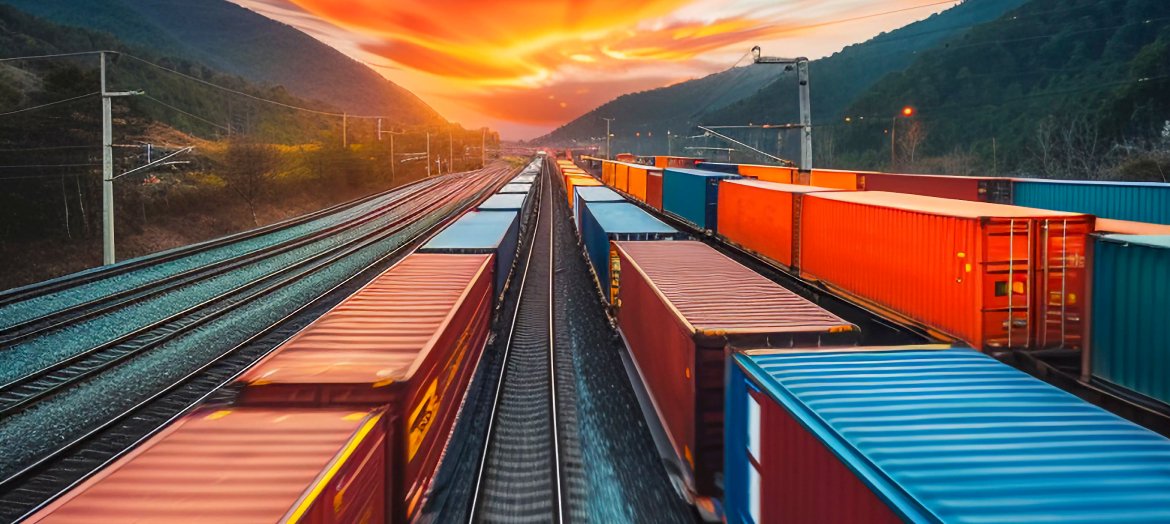

In October 2024, JSC Russian Railways announced a significant increase in freight tariffs. According to the monopoly, this step became necessary to finance major infrastructure projects. The expected indexation could alter market dynamics and create new logistical challenges for shippers.
Details of the new increaseRussian Railways is considering two indexation scenarios: a gradual increase of 3.6% from November 1 and a subsequent 13% from January 2025 (amounting to 17.2% in total), or a one-off increase of 22.7% from the beginning of the year. These measures are aimed at raising 1.1–1.8 trillion rubles to upgrade rolling stock and develop infrastructure.
A comparison with previous years shows that Russian Railways regularly adjusts tariffs to offset inflationary risks. For example, in 2022, indexation occurred twice: first by 6.8% at the beginning of the year, and then by 11% from June, leading to an overall increase of 18.6% compared to the 2021 level. In 2023, tariffs rose by 10.75%.
Initially, it was expected that the standard “inflation minus 0.1%” formula would apply in 2024. However, to ensure funding for the investment program, the monopoly proposed a new calculation model taking into account the costs of fuel, materials, and electricity, which should generate approximately an additional 30 billion rubles per year for the company.
The empty container issue may worsenExport routes could be particularly affected by the changes, as there are plans to cancel subsidies on coal exports and increase container freight rates. Companies are already facing the issue of empty containers remaining in ports due to a lack of outbound export cargo. Repositioning empty boxes is unprofitable, and rising rates may exacerbate this issue, forcing shippers to seek alternative delivery methods, such as trucking to ports. If carriers experience an even greater surge in demand, more offers will emerge, which could eventually drive rates down.
There is hopeIn any case, rail freight rates will remain significantly lower than trucking rates, so a mass exodus of importers to alternative delivery methods will not occur. However, the outflow may be sufficient to relieve congestion across the Far Eastern rail network by mid-2025. It is also worth noting that the period leading up to the New Year is peak season, prompting FEA participants to urgently place orders with manufacturers in China and India ahead of the rate adjustments.
Another positive note: if the additional surcharges indeed result in the execution of the programs announced by Russian Railways, there is a chance for the expansion of the Baikal-Amur Mainline (BAM). However, keep in mind that we are looking at a 5-10-15 year perspective at best.
ConclusionsWe await the final decisions from the monopoly on the tariff methodology, plan shipments in advance, and move as much cargo as possible before the New Year. Over the past 4 years, the market has overcome even greater challenges, so we adapt, keep working, and recommend choosing counterparties on Asia – Russia – Asia routes with diligence.